Erasure
I photograph things that have lost the place, purpose, or identity they once had, man-made or natural, it makes no difference. Something is always working against them. Some resist it. Some survive it. Some fail against it.
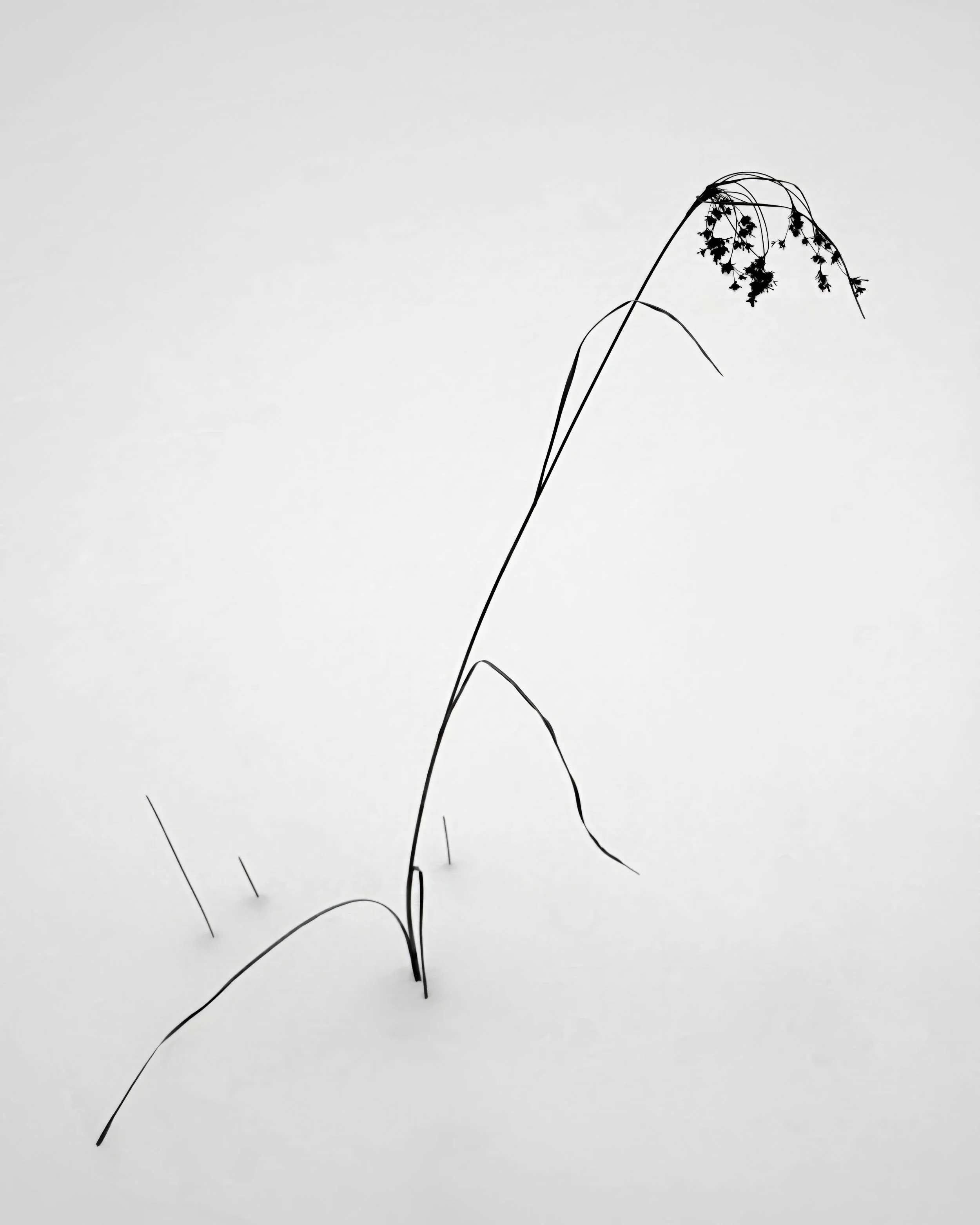
I work in fog, snow, and deep night because these conditions actively erase what surrounds a subject. In the day, snow and fog obscure, bury, and isolate.
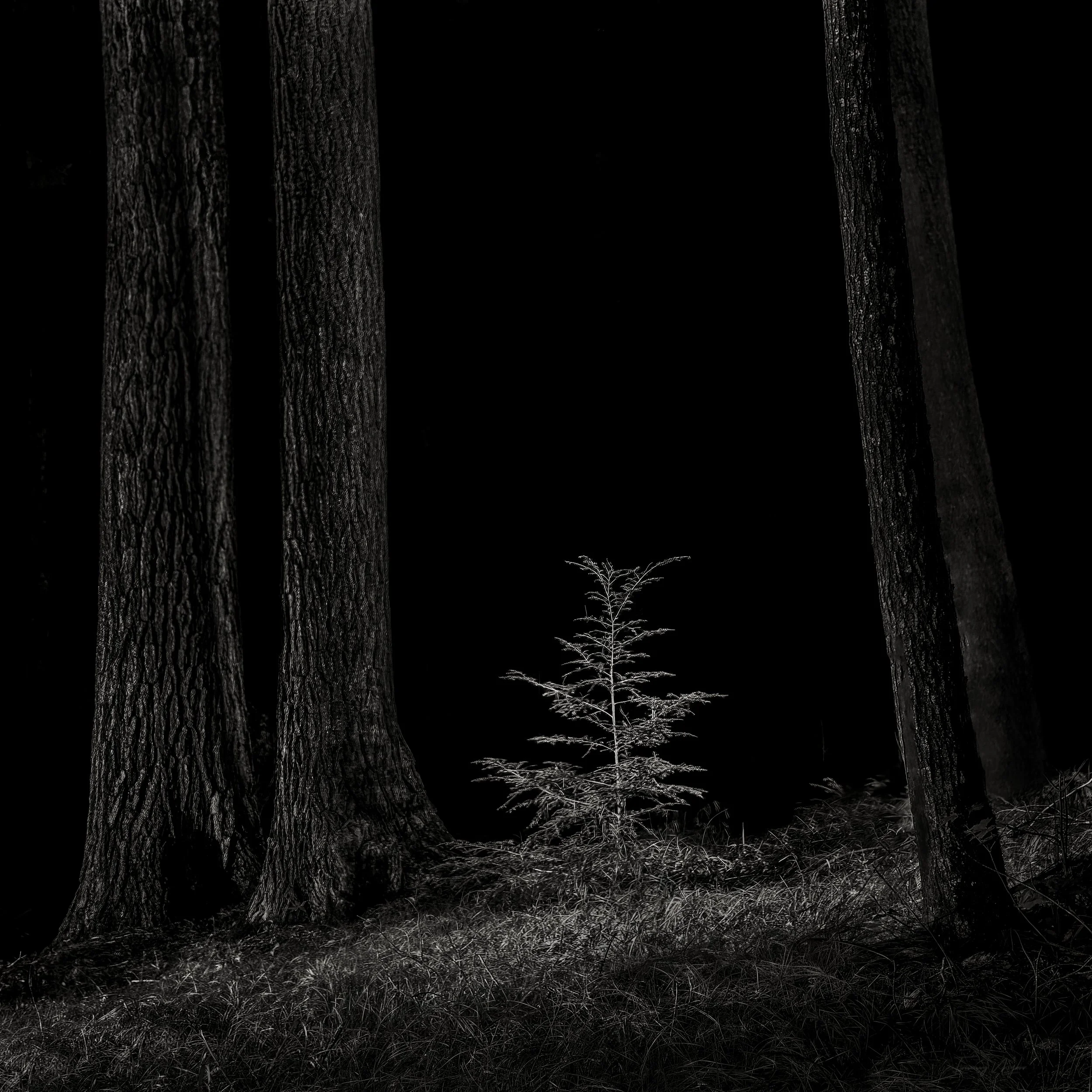
At night, darkness takes everything. I use a handheld light to recover bits and pieces, though sometimes they're still being pulled back into the black.
Other times I find an object still whole, but the place, purpose, or life that once surrounded it is gone.
Decay is often what's visible, but decay isn't what I'm after. I'm searching for the loss, absence, and lack of function underneath it.
This is Erasure.
Erasure is presented in three chapters:
Erasure Day is where erasure is actively occurring — fog and snow obscuring, burying, isolating in real time.
Erasure Night is where total erasure is still being fought — darkness taking everything, a handheld light recovering what it can before the black takes it back.
Remains is what's left after erasure is complete — objects stripped of place, purpose, or life, cleansed or damaged by the process.
Erasure Day

Erasure Night
Remains